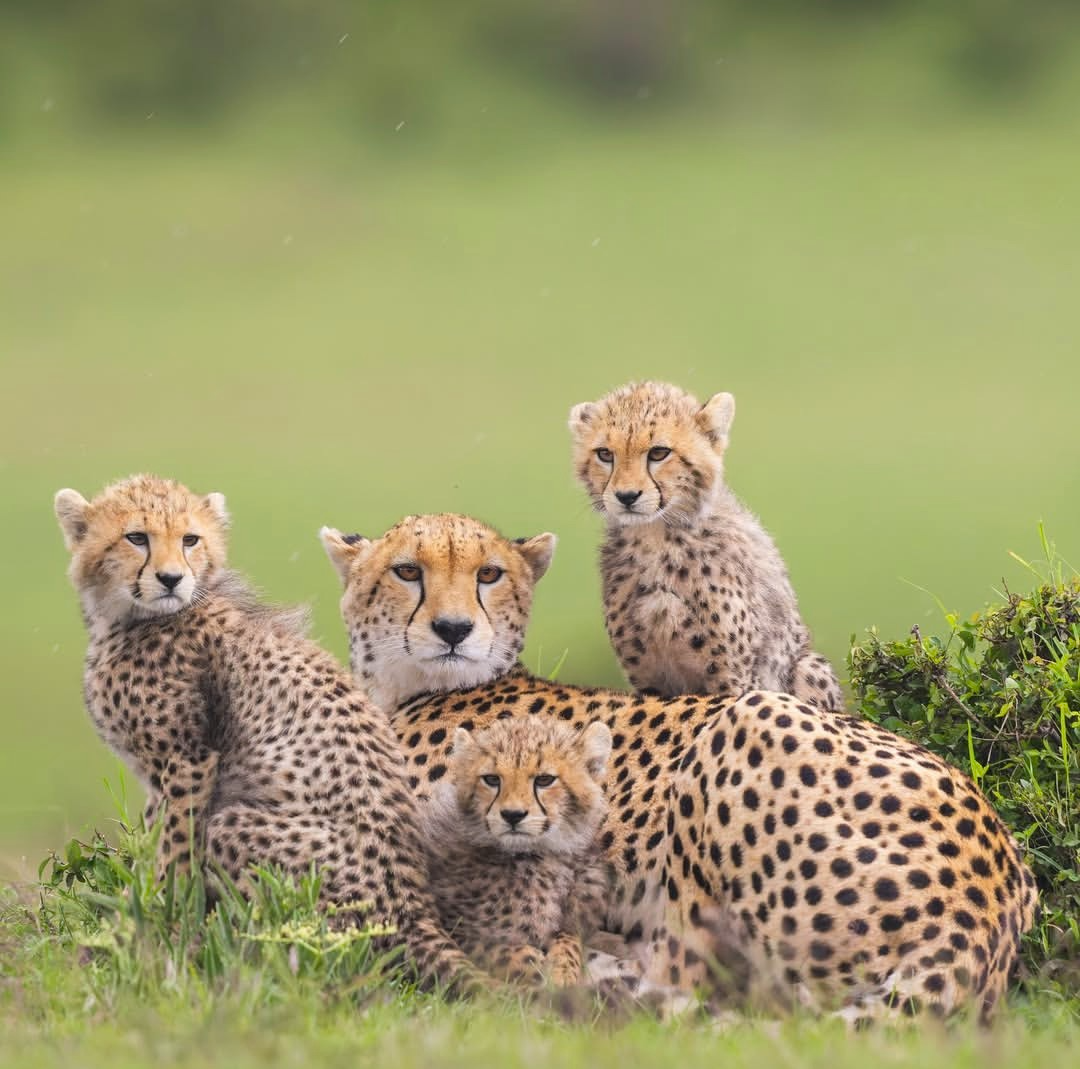
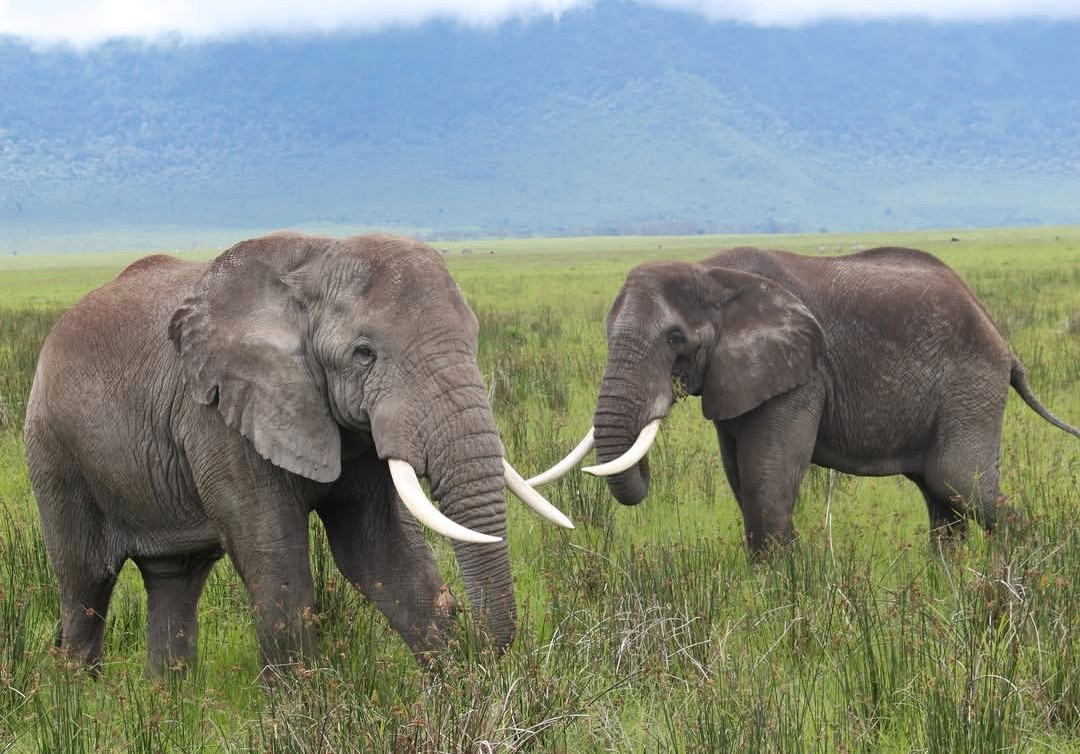
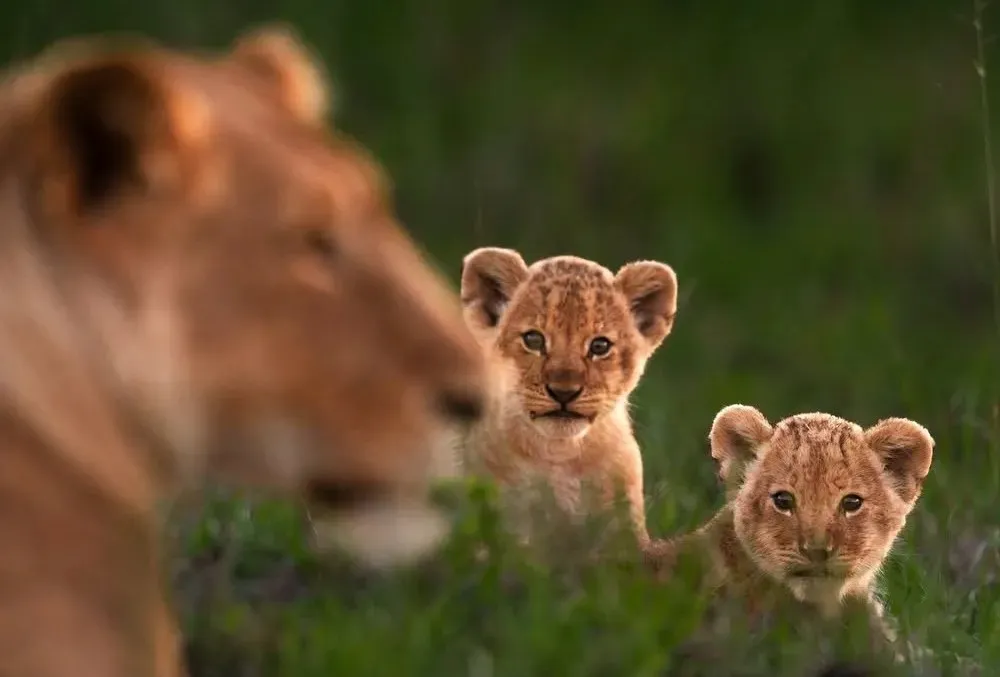
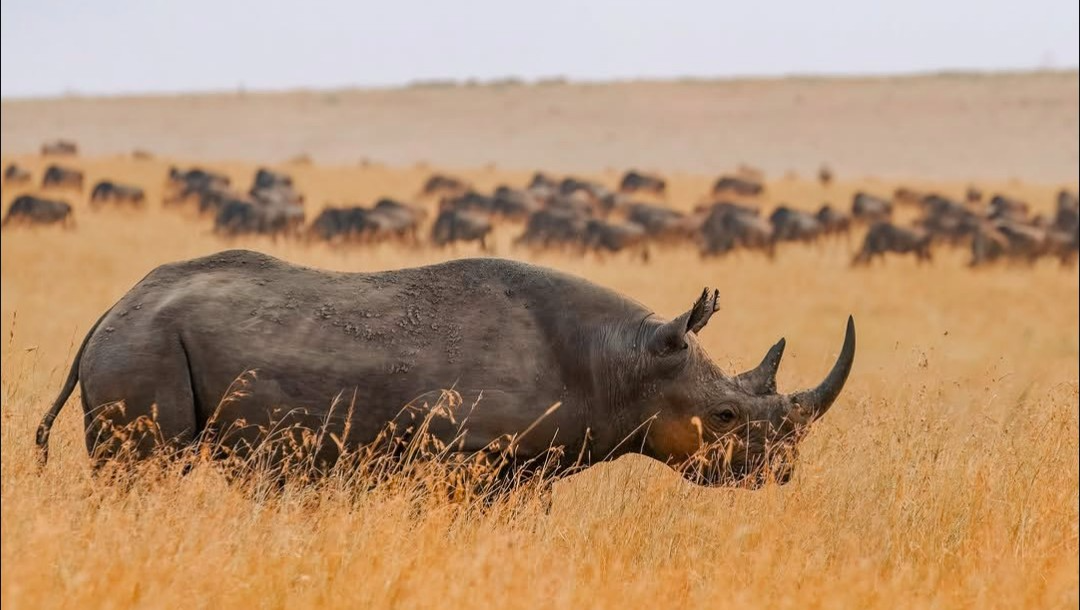
A normal Northern Circuit safari may simply list parks: Tarangire, Ngorongoro, Serengeti, Manyara. That is a route, not a wildlife strategy.
A proper Big Five safari should instead be planned around:
- Wildlife priorities — which species you most want to see and what that requires
- Habitat diversity — how many different ecosystems the itinerary actually covers
- Time spent in productive wildlife areas — not just which parks are on the map
- Serengeti location — Central, Northern, or Southern / Ndutu depending on season
- Seasonal wildlife movement — following the animals, not the calendar
- Game-drive timing — early mornings, late afternoons and full-day drives where they matter
- Accommodation location — how much usable game-drive time you actually get
- Road logistics — how many hours are spent in transit versus watching wildlife
- Guide expertise — a guide who reads tracks, knows territories and positions the vehicle well
- Flexibility — the freedom to change plans based on current wildlife activity
The Practical Reality
Adding more parks to a short safari can reduce useful game-drive time. A well-designed 6-day Big Five safari with two full Serengeti days will usually produce better wildlife viewing than a rushed 8-day itinerary that tries to cover every park on the map.
