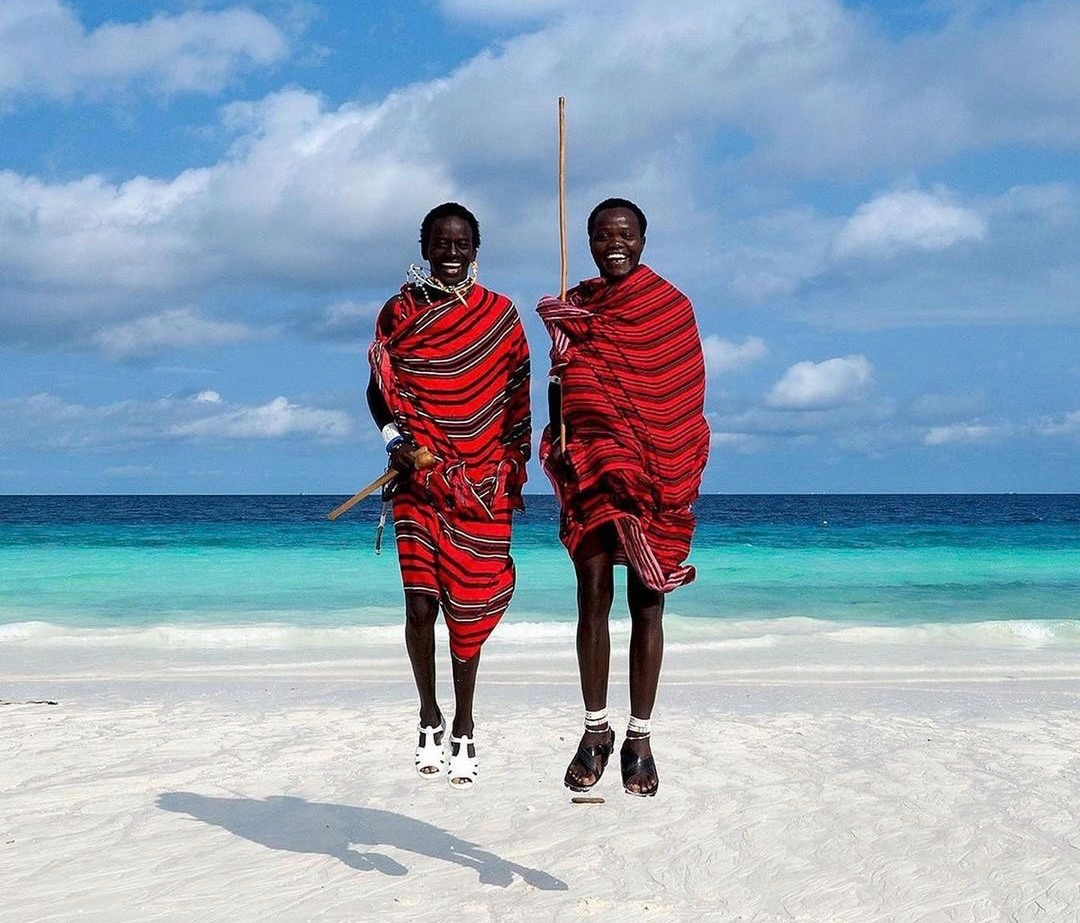
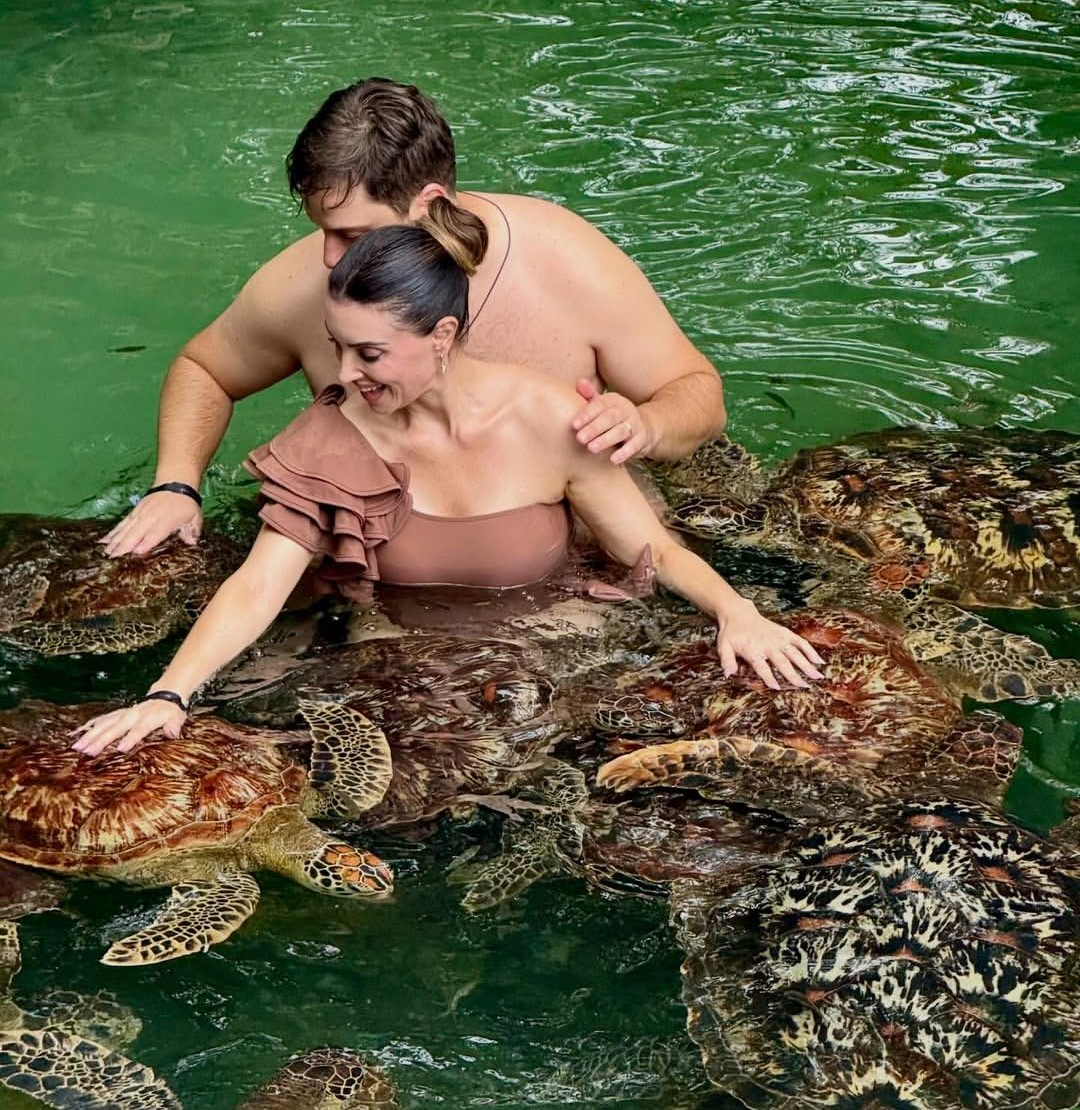
Zanzibar is not a single island but an archipelago — a semi-autonomous region of Tanzania lying in the Indian Ocean approximately 25-50 kilometers off the coast of East Africa. The two main islands, Unguja (commonly referred to as Zanzibar Island) and Pemba, along with dozens of smaller islets, form a coastal island destination that has captivated travelers for centuries. Zanzibar's history as a trading crossroads — where African, Arab, Indian, and European influences converge — has created a culture, cuisine, and architectural heritage unlike anywhere else on Earth. Stone Town, the historic heart of Zanzibar City, is a UNESCO World Heritage Site of winding alleys, carved wooden doors, and coral stone buildings that tell the story of the island's complex past.
Zanzibar is famous for its spices — cloves, nutmeg, cinnamon, and vanilla have been cultivated here for centuries — and for its pristine white sand beaches fringed by coral reefs. The island offers a remarkable range of experiences: snorkeling and scuba diving on coral gardens, dolphin watching in the waters off Kizimkazi, sunset dhow cruises on the Indian Ocean, spice plantation tours in the island's interior, and cultural visits to historic sites including the former slave market and Prison Island. For safari travelers, Zanzibar is the ideal post-safari escape — a place to decompress on the beach after the intensity of game drives in the Serengeti or Ngorongoro Crater. Our 10-day Tanzania Safari and Zanzibar Beach Holiday combines the Northern Circuit with Zanzibar's coast, while the 10-day Fly-In Tanzania Safari offers a seamless air connection between the bush and the beach.
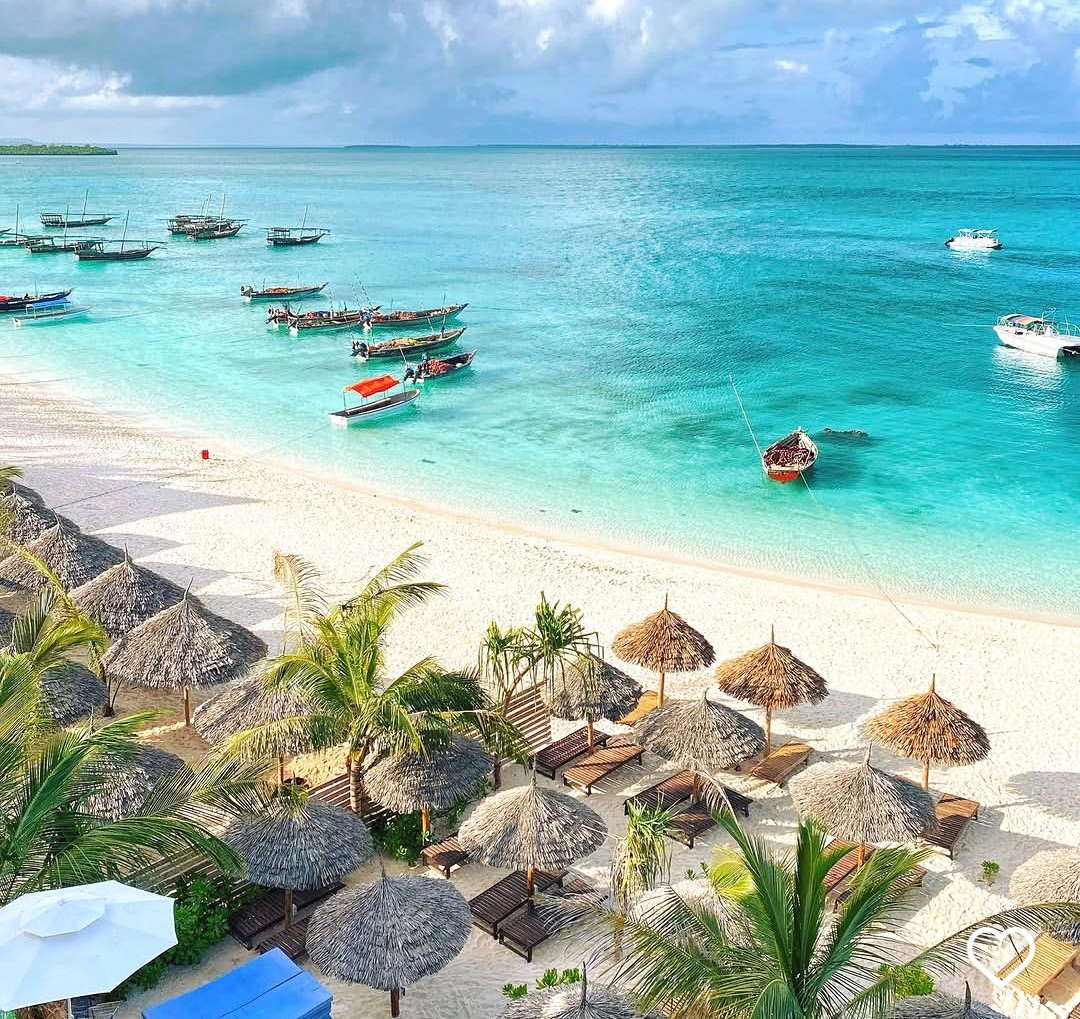
Zanzibar's white sand beaches and coral reefs along the Indian Ocean — the perfect post-safari escape after your Northern Circuit adventure.
Why Is Zanzibar Famous?
Zanzibar is famous for several reasons that combine to make it one of the world's most distinctive island destinations. First and foremost is Stone Town, a UNESCO World Heritage Site and one of the best-preserved examples of a Swahili trading town on the East African coast. Its labyrinthine streets, ornate Zanzibari doors, bustling bazaars, and landmarks including the House of Wonders, the Old Fort, and the former slave market make it a living museum of Indian Ocean history. The Forodhani Gardens food market comes alive each evening with vendors grilling fresh seafood, Zanzibari pizza, and sugar cane juice — a nightly celebration of the island's culinary traditions.
Beyond Stone Town, Zanzibar is famous for its spice plantations — the island was once the world's largest producer of cloves — and spice farm tours remain one of the most popular Zanzibar activities. Visitors can see, smell, and taste fresh vanilla, cinnamon, nutmeg, black pepper, cardamom, and tropical fruits growing in their natural environment. The island is also renowned for its marine environment: coral reefs teeming with tropical fish, dolphin tours off the southern coast, and conservation areas including Chumbe Island Coral Park and Mnemba Island Conservation Area that protect Zanzibar's extraordinary marine biodiversity. For those seeking a shorter safari combination, our Fly-In Serengeti and Ngorongoro Safari can be added before or after your Zanzibar stay.
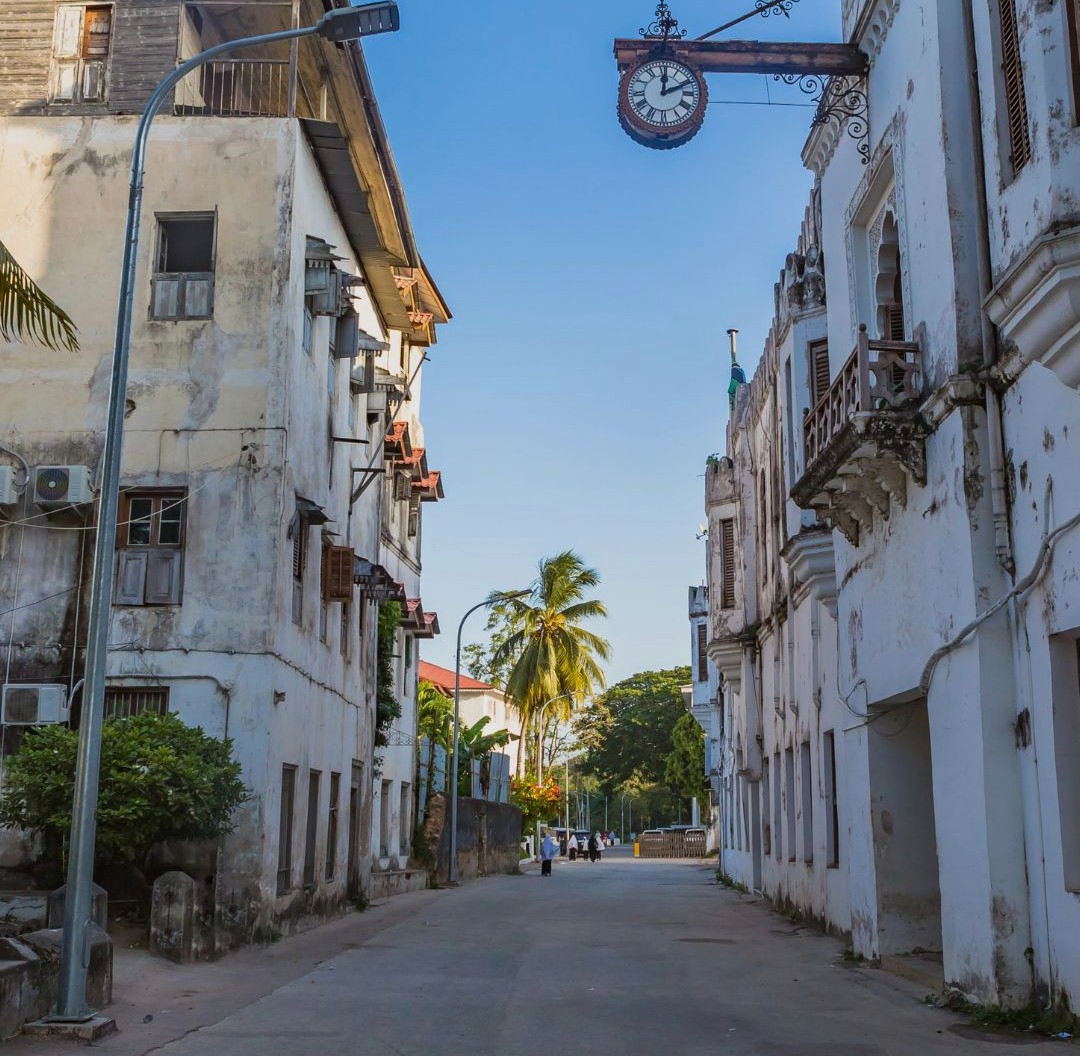
Stone Town — a UNESCO World Heritage Site of coral stone buildings, carved wooden doors, and winding alleys reflecting centuries of African, Arab, Indian, and European influence.
Is Zanzibar African or Indian?
Zanzibar is unequivocally African — it is a semi-autonomous region of the United Republic of Tanzania, lying in the Indian Ocean off the coast of East Africa. However, its identity has been shaped by centuries of interaction with the wider Indian Ocean world. Arab traders from Oman established a sultanate that ruled Zanzibar for generations. Indian merchants — particularly from Gujarat — settled on the island, building businesses and contributing to the architectural and culinary landscape. Persian influences arrived through Shirazi settlers. European colonial powers — Portuguese, then British — controlled the island at different periods. The result is a uniquely cosmopolitan culture that is fundamentally African but enriched by layers of external influence.
The question of which country owns Zanzibar is straightforward in modern terms: Zanzibar is part of Tanzania, having united with Tanganyika in 1964 to form the United Republic of Tanzania. However, Zanzibar maintains a significant degree of autonomy with its own president, parliament, and legal system for non-union matters. The Zanzibar Archipelago is divided into several administrative regions: Mjini Magharibi (which includes Zanzibar City and Stone Town), Unguja Kaskazini (North Unguja), Unguja Kusini (South Unguja), Pemba Kaskazini (North Pemba), and Pemba Kusini (South Pemba).
Things to Do in Zanzibar
The range of Zanzibar activities extends far beyond the beach. Walking tours of Stone Town with knowledgeable local guides reveal the hidden history of the old city — from the former slave market and Anglican Cathedral to the birthplace of Freddie Mercury. Spice plantation tours take visitors into the island's lush interior to discover why Zanzibar is called the Spice Island. The Jozani Chwaka Bay National Park protects the island's last remaining indigenous forest and is home to the endemic Zanzibar red colobus monkey, found nowhere else on Earth.
Marine activities are among the most popular Zanzibar excursions. Snorkeling and scuba diving on the coral reefs around Mnemba Island offer world-class underwater experiences with visibility often exceeding 20 meters. Dolphin watching tours depart from Kizimkazi on the southern coast, where pods of bottlenose and spinner dolphins are regularly sighted. Deep sea fishing and sport fishing charters target marlin, sailfish, tuna, and dorado in the deep waters beyond the reef. For those seeking a more relaxed pace, sunset dhow cruises — sailing on traditional wooden boats as the sun sets over the Indian Ocean — are a quintessential Zanzibar experience. Kayaking, canoeing, and swimming in the warm, clear waters are available year-round.
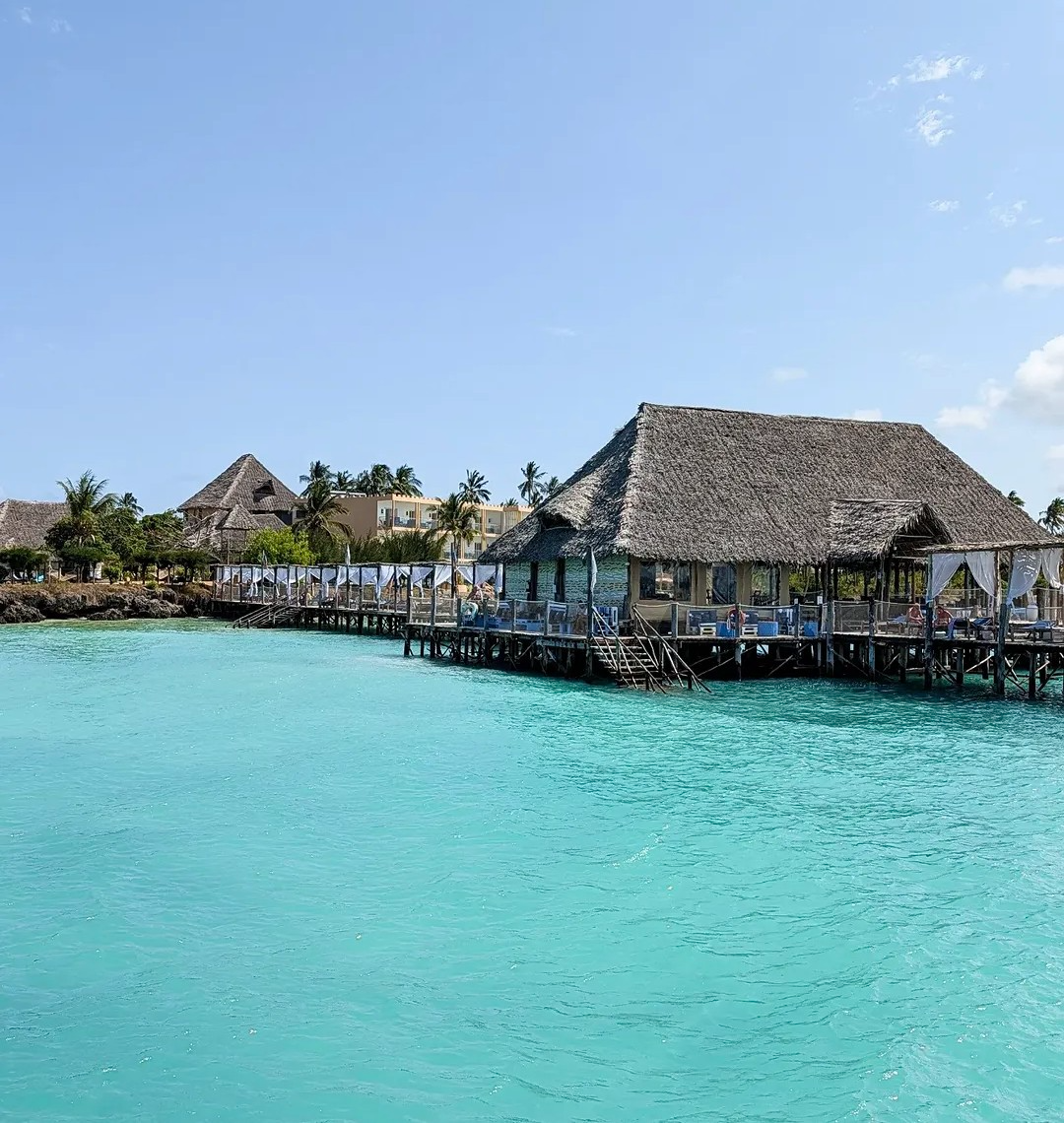
Luxury beach resorts line Zanzibar's coast — from intimate boutique properties to world-class resorts with private plunge pools, spa treatments, and gourmet dining.
Dress Code and Cultural Sensitivity
A common question from visitors concerns appropriate attire, particularly for women. Zanzibar is predominantly Muslim and culturally conservative compared to mainland Tanzania. Can a woman wear shorts in Zanzibar? The answer depends on context. On the beach and within beach resorts, standard beachwear — including shorts, bikinis, and swimwear — is perfectly acceptable. However, in Stone Town, local villages, and public spaces away from the beach, more modest dress is recommended out of respect for local customs. Knee-length shorts or longer, tops that cover shoulders, and loose-fitting clothing are appropriate for exploring Stone Town and local communities. A light scarf or wrap is useful for covering shoulders when entering shops, markets, or religious sites.
For women planning Zanzibar day trips that combine town and beach, the ideal approach is to wear lightweight knee-length shorts or a sundress with a scarf for covering shoulders in Stone Town, and carry swimwear to change into at the beach. Comfortable walking sandals are essential for navigating Stone Town's uneven streets and steps. The practical reality is that Zanzibar receives hundreds of thousands of international visitors annually, and tourist areas are accustomed to diverse styles of dress. The key is context — what works on the beach does not work in the street, and dressing with awareness of local norms enriches everyone's experience.
When to Visit Zanzibar
Zanzibar enjoys a tropical climate with warm temperatures year-round. The best time to visit is during the dry seasons: June through October and December through February. These months offer the most reliable sunshine, calm seas ideal for snorkeling and diving, and comfortable humidity levels. The long rains from March through May bring heavy downpours — though often in short bursts — and some resorts and restaurants close during this period. The short rains in November are less intense and can be a good time to find lower rates and fewer crowds.
The ideal Zanzibar itinerary combines the island with a Tanzania safari. The most popular combination is a Northern Circuit safari covering Serengeti, Ngorongoro, Tarangire, and Lake Manyara, followed by 3-7 nights on Zanzibar's coast. This bush-to-beach approach provides the intensity and adventure of safari followed by the relaxation of the Indian Ocean. Internal flights from Arusha or the Serengeti to Zanzibar take 1.5-2 hours, making the transition seamless. Our 10-day Tanzania Safari and Zanzibar Beach Holiday handles all logistics including flights, transfers, and accommodation at both safari lodges and beach resorts. For the ultimate luxury experience, the 10-day Fly-In Tanzania Safari combines private charter flights with premium lodges throughout.
Plan your Zanzibar escape with confidence. Our team will design a bespoke itinerary combining the best of Tanzania's safari circuit with Zanzibar's beaches, Stone Town, and marine activities. Every trip is 100% private and fully customizable. From honeymoon packages to family beach holidays, we create the perfect bush-to-beach experience.