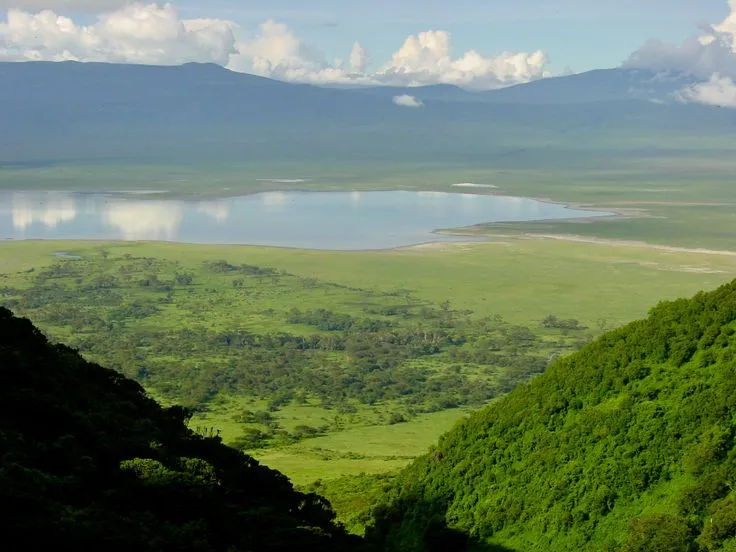
The Ngorongoro Crater is unlike anything else on Earth. It is the world's largest unfilled volcanic caldera — a natural amphitheater spanning 260 square kilometers with walls rising 610 meters from the crater floor. Formed approximately 2.5 million years ago when a massive volcano collapsed following tectonic movements, this geological masterpiece is now one of Africa's Seven Natural Wonders and a UNESCO World Heritage Site. The name Ngorongoro derives from the Maasai phrase orgirra le kkorongorro, meaning "Big Bowl" — a fitting description for this vast, wildlife-rich caldera.
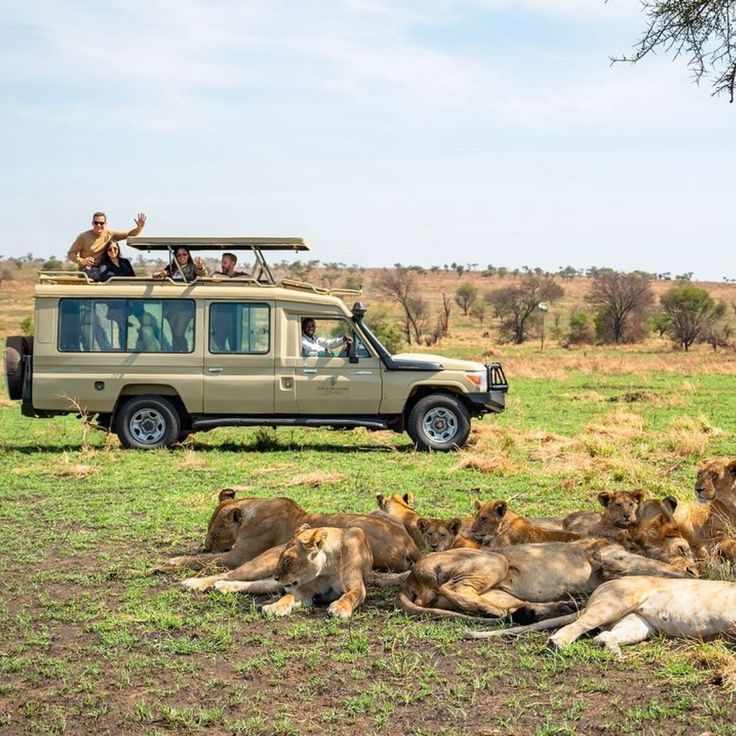
What makes the Ngorongoro Crater truly special is its extraordinary concentration of wildlife within a contained ecosystem. Unlike the vast open plains of the Serengeti where animals can disperse across thousands of kilometers, the crater's natural boundaries create a wildlife viewing experience with unparalleled density. Over 25,000 large animals reside here, making it one of the best places in Africa to spot the Big Five — lions, leopards, elephants, buffaloes, and the rare black rhinoceros — often within a single day's game drive. The diverse habitats within the crater — from grasslands and swamps to rivers and woodlands — support an astonishing variety of wild species including hippos, hyenas, warthogs, zebras, elands, gazelles, and wildebeests.
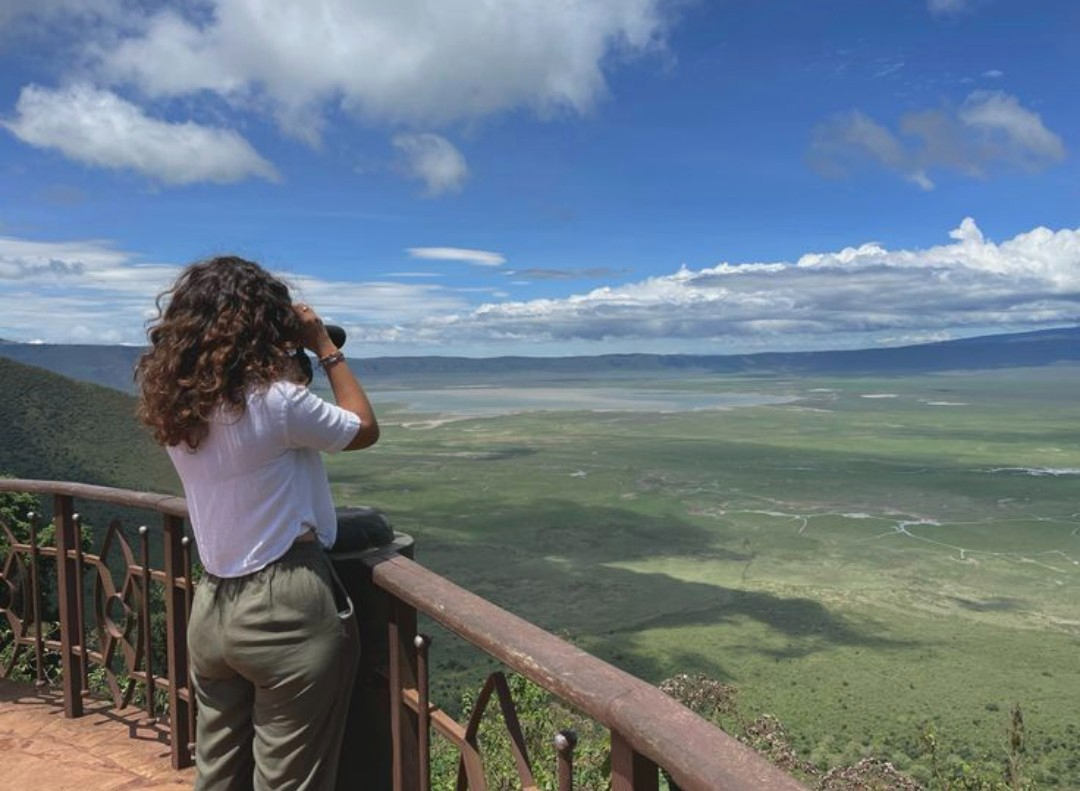
The Ngorongoro Crater — 260 square kilometers of intact volcanic caldera, 20 kilometers in diameter and 610 meters deep.
What Is Special About the Ngorongoro Crater?
The Ngorongoro Crater stands alone as the world's largest intact volcanic caldera — a natural formation so extraordinary it was named one of Africa's Seven Natural Wonders. Unlike most volcanic craters that have eroded or filled with water over millennia, Ngorongoro remains a perfectly preserved bowl-shaped caldera with a thriving ecosystem on its floor. The crater walls create a natural enclosure that has allowed wildlife populations to flourish in remarkable density, making this arguably the best location in Tanzania for spotting the Big Five in a single day.
Beyond its wildlife, what elevates Ngorongoro is the unique coexistence of humans and nature. The Ngorongoro Conservation Area is home to Maasai communities who have lived alongside wildlife for centuries, and archaeological discoveries in the area — including some of the earliest known human settlements and geological records — make this a site of profound scientific and cultural significance. The scenic beauty of the crater rim, with its panoramic views over the caldera floor, offers photographing and viewing opportunities unmatched anywhere else in Tanzania.
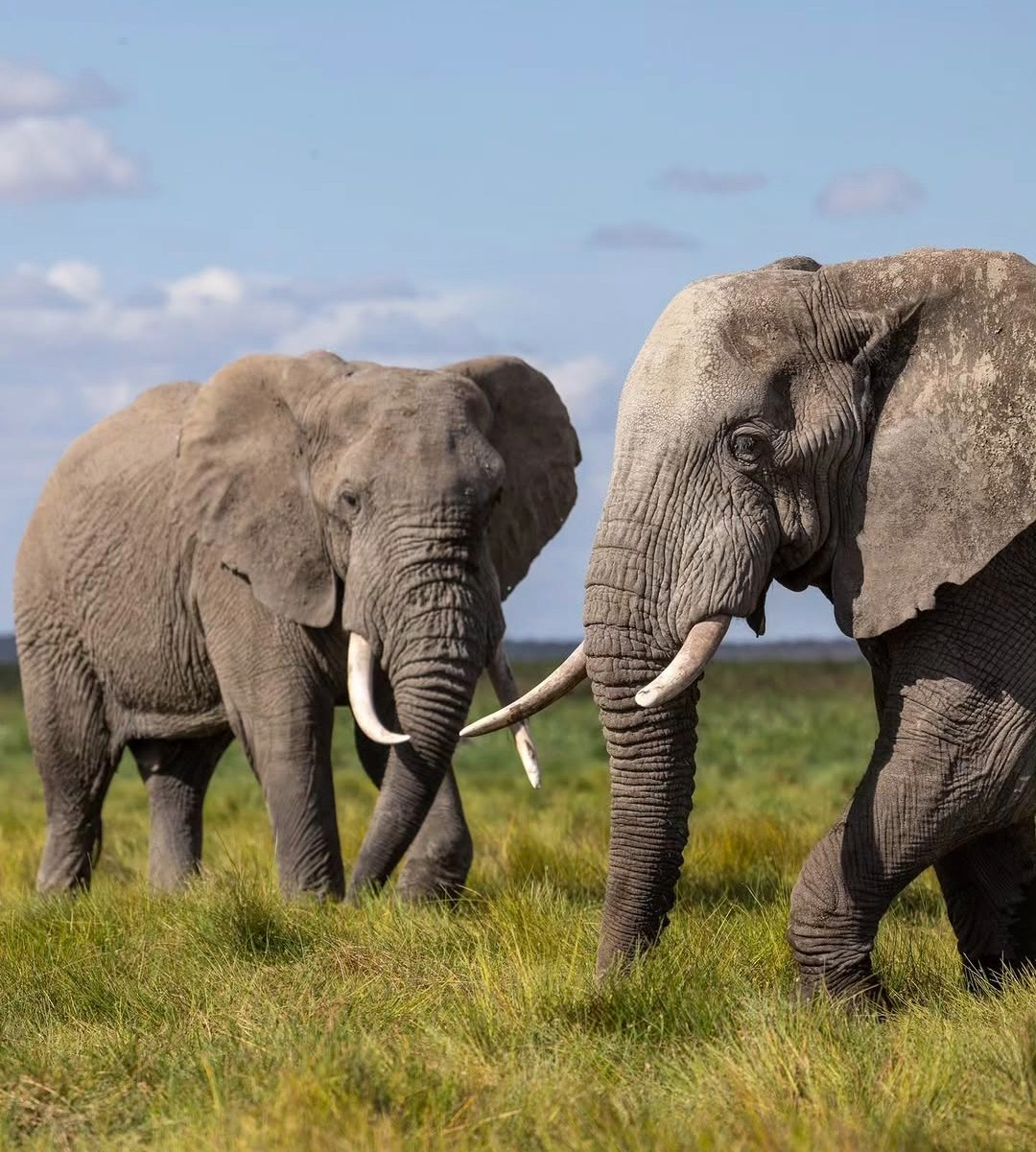
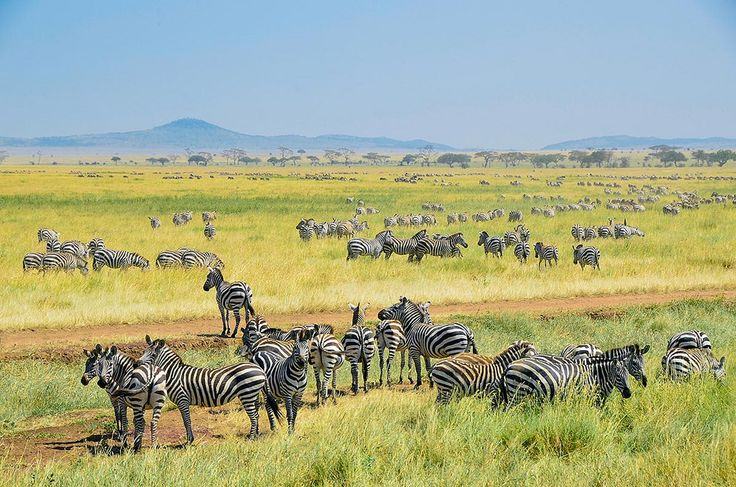
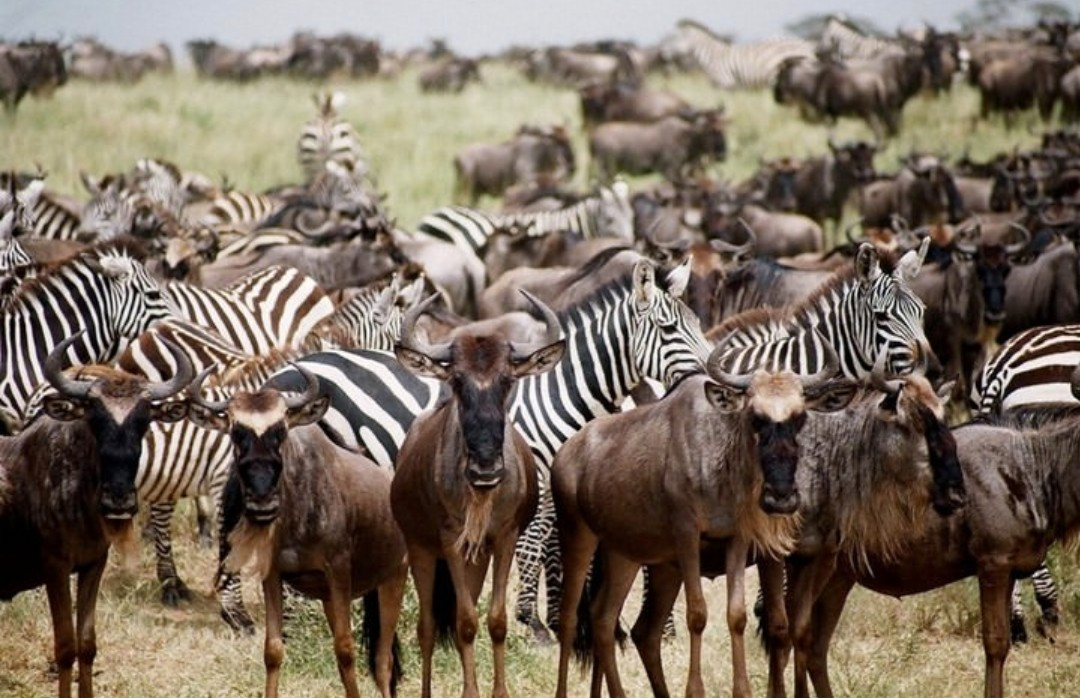
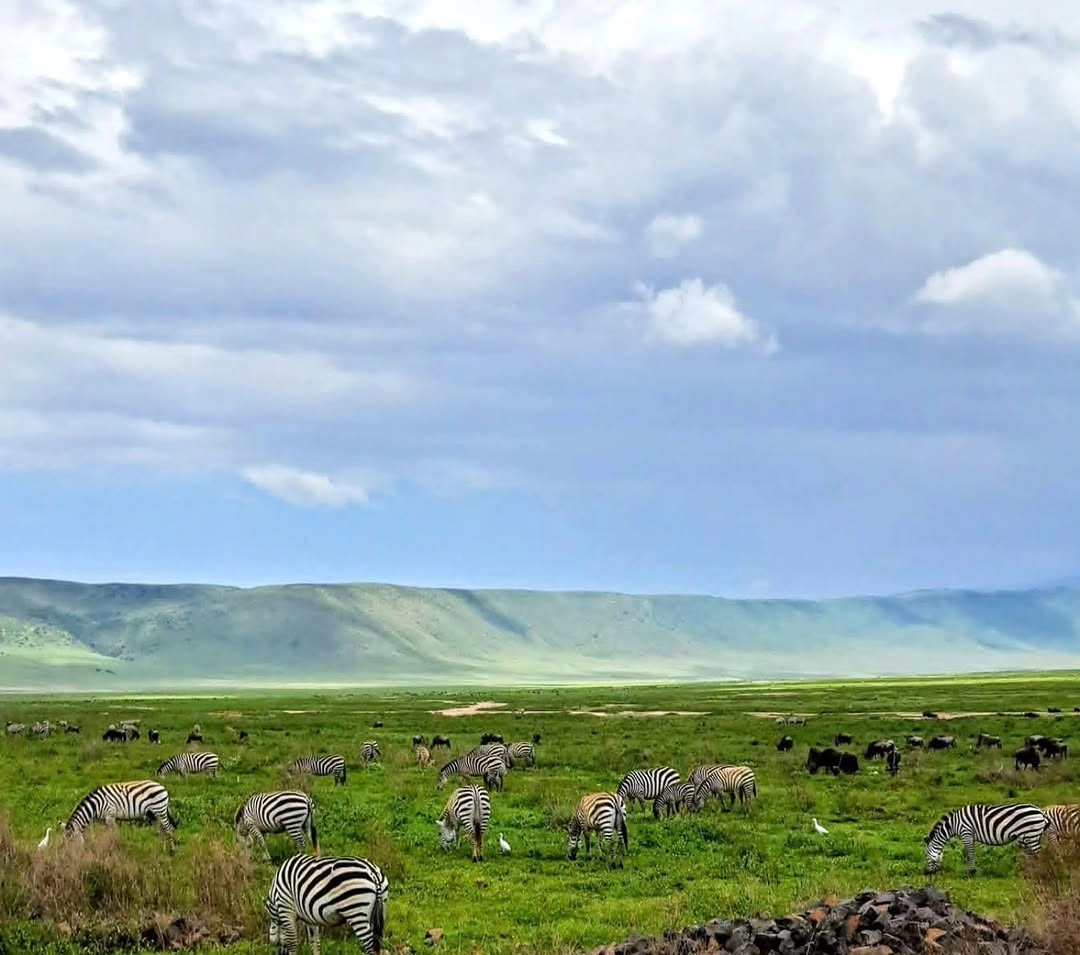
The crater floor hosts over 25,000 large animals — the Big Five, hippos, hyenas, zebras, and countless other species within a contained ecosystem.
The Big Five and Beyond: Wildlife of the Crater
The Ngorongoro Crater is one of the few places in Africa where you can realistically see all five members of the Big Five — lion, leopard, elephant, buffalo, and the critically endangered black rhinoceros — within a single day. The crater's lion population is among the densest on the continent, and the resident elephants — primarily older males — are some of the largest in Africa. The crater is also one of the last strongholds of the black rhino in East Africa, offering one of the best chances of seeing this rare species in the wild.
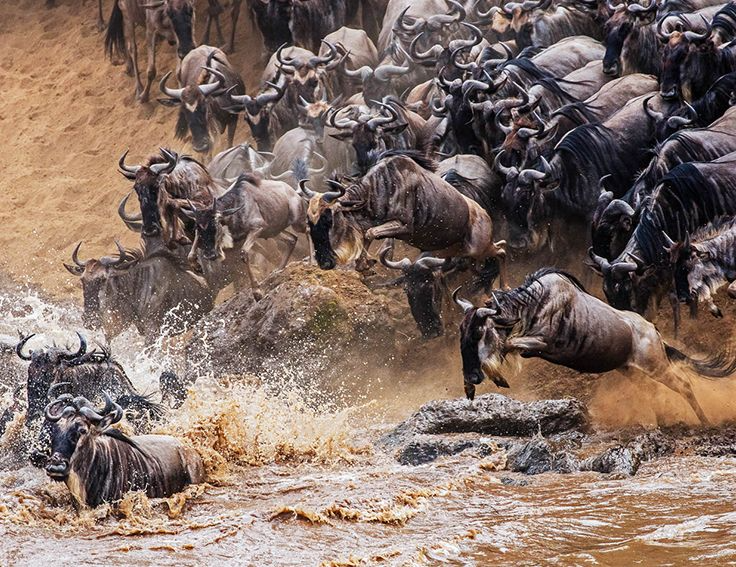
Beyond the Big Five, the crater supports an extraordinary diversity of wildlife. Large herds of wildebeest and zebras graze the grasslands, while hippos wallow in the crater's swamps and pools. Spotted hyenas — the crater's most numerous large predator — hunt alongside lions, and leopards inhabit the woodlands and riverine areas. Warthogs, elands, gazelles, and numerous other wild species make every game drive a continuous wildlife encounter.
How Was the Crater Formed?
The Ngorongoro Crater was formed approximately 2.5 million years ago through one of the most dramatic geological events in Earth's history. Originally a massive volcano — possibly larger than Mount Kilimanjaro — the mountain collapsed inward during a catastrophic volcanic caldera collapse triggered by tectonic activities and the emptying of the magma chamber beneath. What remains is the unfilled volcanic caldera we see today: 260 square kilometers in area, roughly 20 kilometers in diameter, and 610 meters deep from rim to floor.
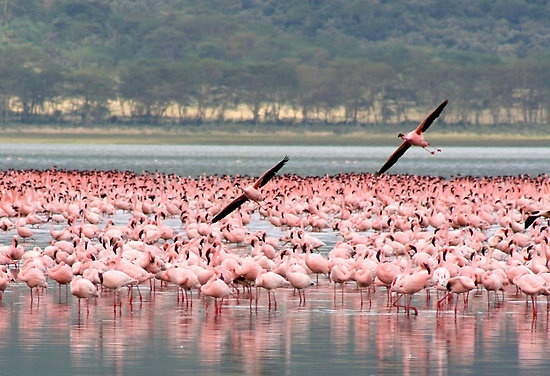
This volcanic origin explains the crater's unique geography. The mineral-rich volcanic soil supports lush vegetation, which in turn sustains abundant wildlife. Natural water sources on the crater floor — including seasonal rivers, permanent swamps, and Lake Magadi — provide year-round water for animals and create diverse habitats within the caldera. The crater rim, sitting at approximately 2,200 meters above sea level, offers a cool climate and spectacular views over the wildlife-rich crater floor below. Our 4-day Tarangire, Ngorongoro & Ndutu Calving Safari combines the crater with multiple ecosystem experiences.
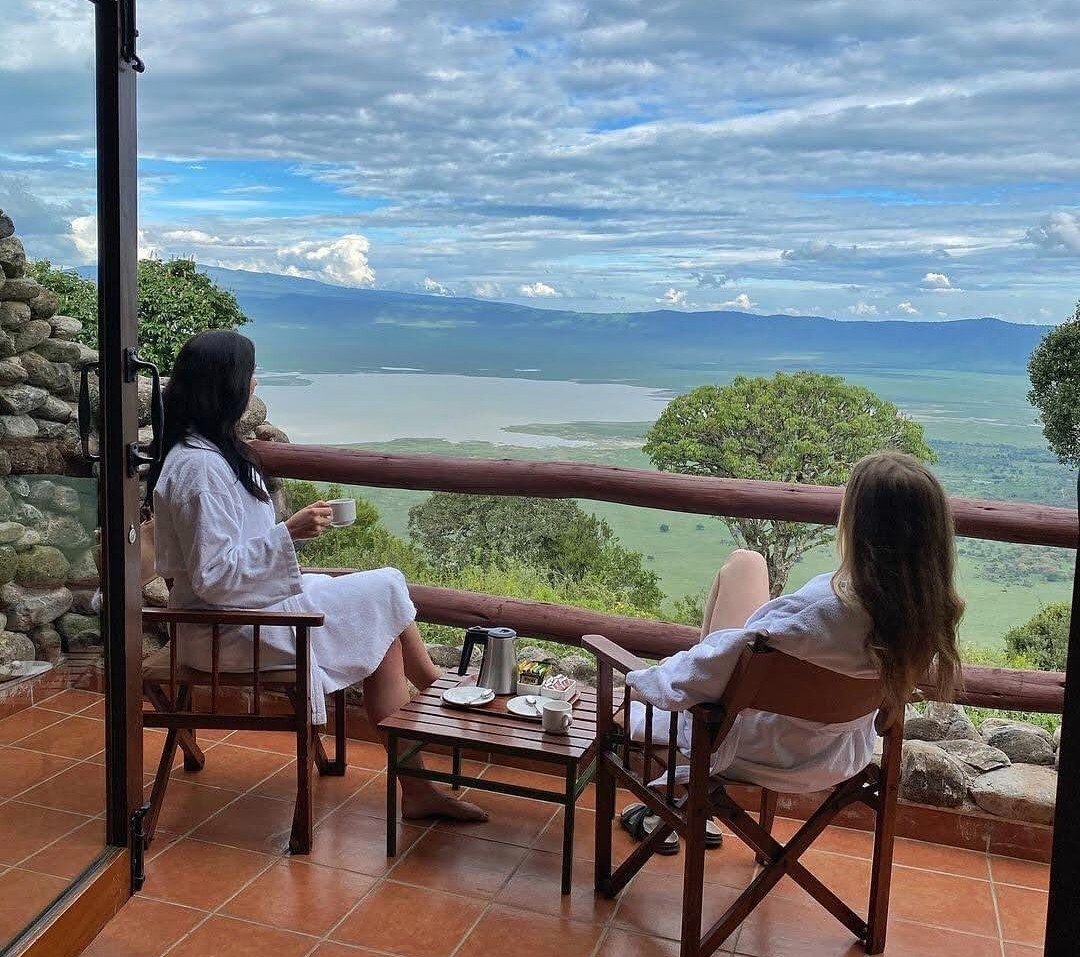
Luxury lodges perched on the crater rim offer panoramic views over the caldera, with wildlife visible on the crater floor below.
Where to Stay: Crater Rim Accommodation
Accommodation at Ngorongoro is concentrated along the crater rim, offering dramatic views over the caldera from vantage points 610 meters above the crater floor. The experience of waking up to a sunrise over the crater, with mist rising from the grasslands below, is one of the most memorable aspects of any Tanzanian safari. Lodges range from ultra-luxury properties with private viewing decks and gourmet dining to comfortable mid-range options that offer excellent value without compromising on location.
Our 6-day Serengeti & Ngorongoro Safari includes carefully selected accommodation with prime crater rim locations, while the 7-day Tanzania Safari combines Ngorongoro with Tarangire, Serengeti, and Lake Manyara for a complete Northern Circuit experience at excellent value. For those seeking a comprehensive but shorter itinerary, the 6-day Tanzania Safari covers four major parks including a full day in the crater.
Experiences at Ngorongoro
A visit to the Ngorongoro Crater centers on the game drive into the caldera itself — descending through the forested crater walls onto the open grasslands of the crater floor. The experience is unlike any other safari in Tanzania. As you descend into the bowl, the scale of the caldera becomes apparent, and the concentration of wildlife is immediately striking. Game drives typically last a full day, with a picnic lunch taken on the crater floor surrounded by wildlife.
Beyond the crater, the Ngorongoro Conservation Area offers walking safaris along the crater rim with Maasai guides, visits to Maasai villages to learn about their pastoralist culture and coexistence with wildlife, and excursions to Olduvai Gorge — one of the world's most important paleoanthropological sites. For those with limited time, our 3-day Tarangire, Ngorongoro & Manyara safari offers a compact yet comprehensive experience, while the 3-day Tarangire & Ngorongoro walking safari adds bush walks to the itinerary.
Plan your Ngorongoro safari with confidence. Our team will design a completely bespoke itinerary tailored to your travel dates, budget, and wildlife interests. Every safari is 100% private with expert naturalist guides. Contact us today for a free consultation and custom itinerary proposal.