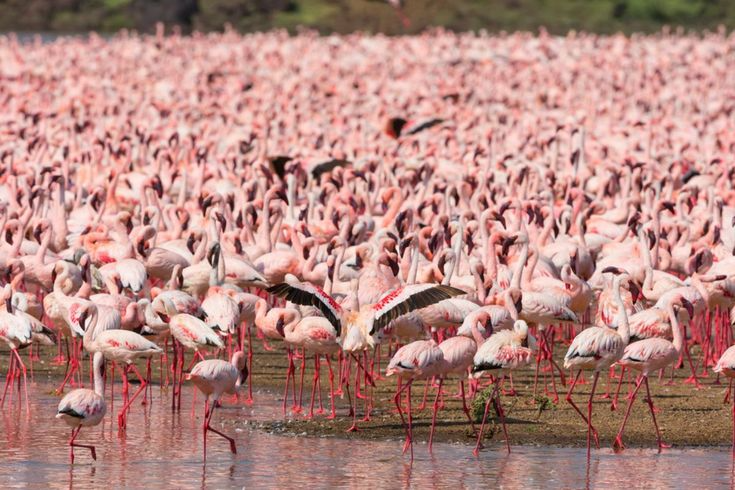
Tarangire National Park is one of Tanzania's most rewarding yet lesser-known safari destinations. Located just two hours from Arusha along the northern Tanzania safari circuit, Tarangire often gets overshadowed by its more famous neighbors — the Serengeti and Ngorongoro Crater. But those who venture into this 2,850-square-kilometer park are rewarded with an authentic African safari experience that rivals any on the continent. The park is named after the Tarangire River, which winds through the landscape and serves as the primary water source during the dry season, attracting wildlife in extraordinary concentrations.
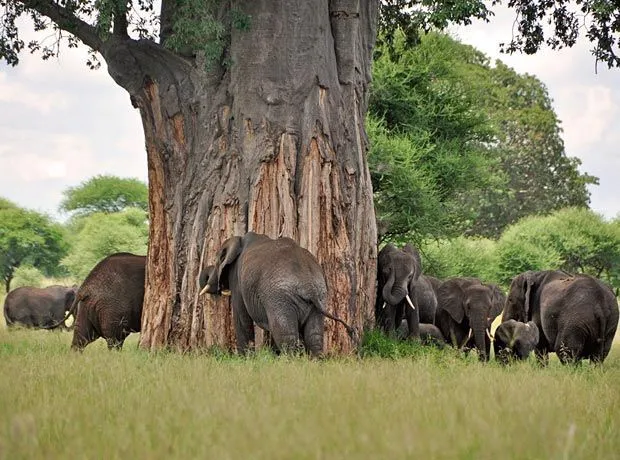
What sets Tarangire apart is its distinctive landscape of giant baobab trees — some over a thousand years old — rising from open savanna grasslands dotted with acacia woodlands and seasonal swamps. These ancient baobabs, combined with the Tarangire River and the surrounding Masai Steppe, create a scenic backdrop for wildlife viewing that is uniquely Tanzanian. Unlike the vast open plains of the Serengeti, Tarangire offers a more intimate, less crowded safari experience where you can spend hours watching elephant families without another vehicle in sight.
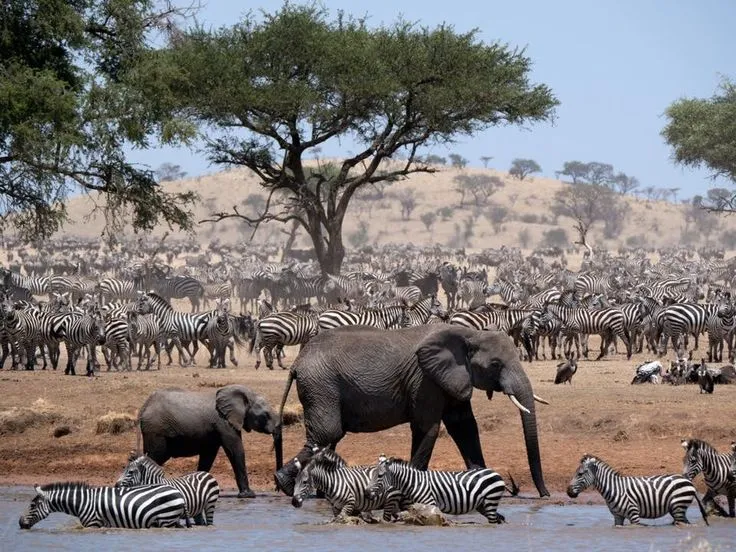
Giant baobab trees dot the Tarangire landscape, creating one of Africa's most photogenic safari settings — especially during the dry season when elephant herds gather along the Tarangire River.
What Makes Tarangire Special?
The defining feature of Tarangire National Park is its elephant population. During the dry season from June to November, Tarangire hosts the highest concentration of elephants in Tanzania — and one of the largest in all of Africa — with over 3,000 individuals gathering along the Tarangire River. These are not small, scattered family groups. Tarangire's elephants form massive breeding herds of up to 300 individuals, creating wildlife encounters of a scale that must be seen to be believed. The elephant viewing in Tarangire during the dry season is arguably the best in East Africa — and a compelling reason this park deserves far more attention than it typically receives.
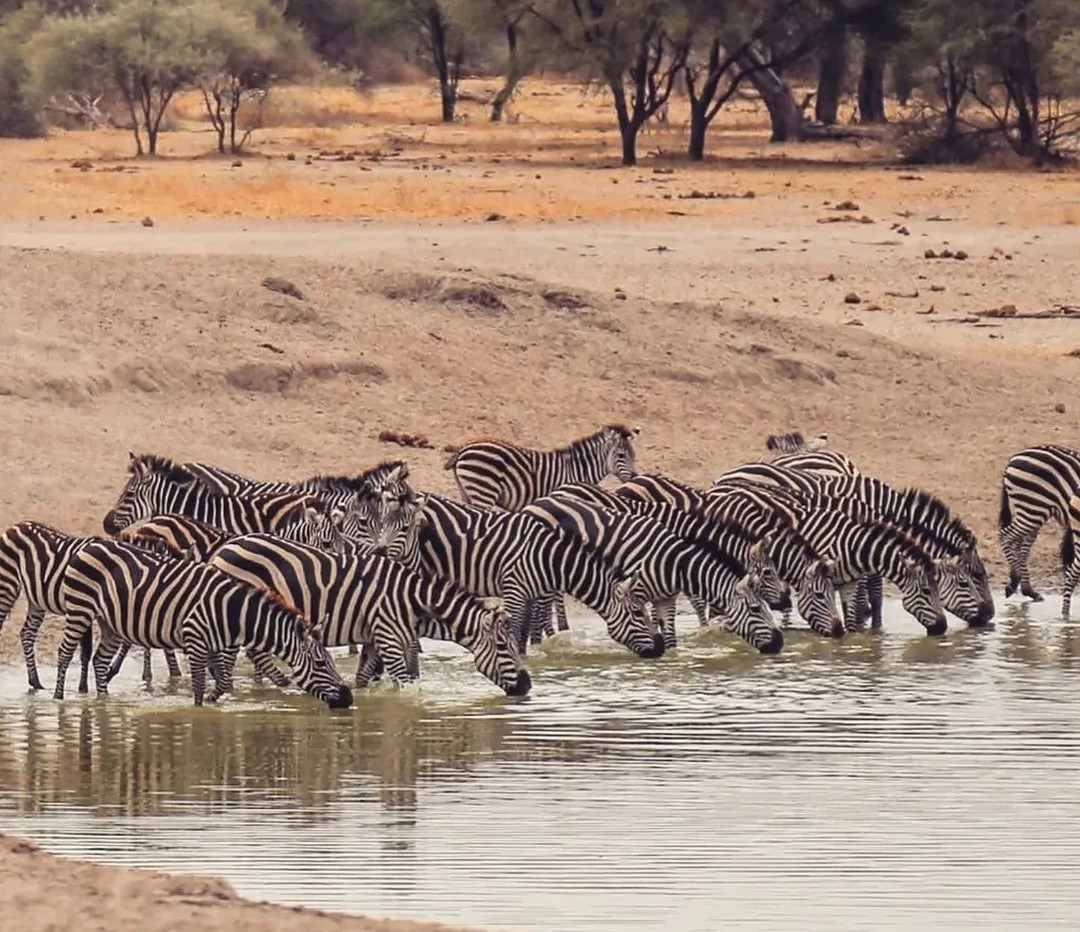
But Tarangire is far more than just elephants. The park supports an impressive diversity of wildlife including large numbers of buffalo, zebras, wildebeests, gazelles, hartebeest, and giraffes. Predators are well represented — lions, leopards, cheetahs, hyenas, and occasionally wild dogs are all present. The Tarangire ecosystem is also one of Tanzania's premier birding destinations, with over 550 recorded species including endemic yellow-collared lovebirds and shy starlings found nowhere else in the country. The park's diverse habitats — from the aquatic forest along the river to open acacia woodlands and seasonal marshes — support a variety of species that makes every game drive in Tarangire a continuous wildlife discovery.
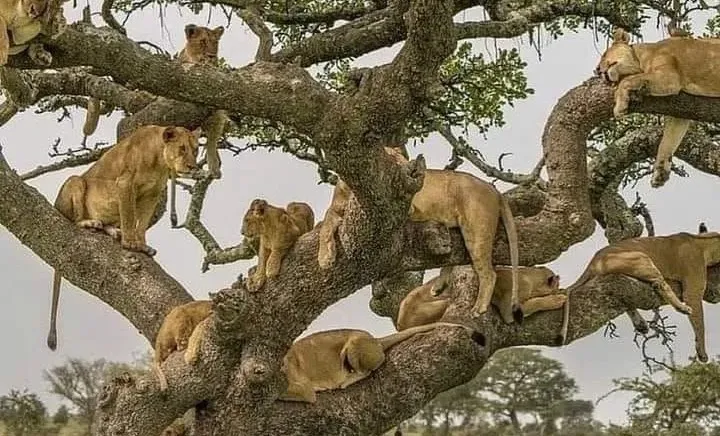
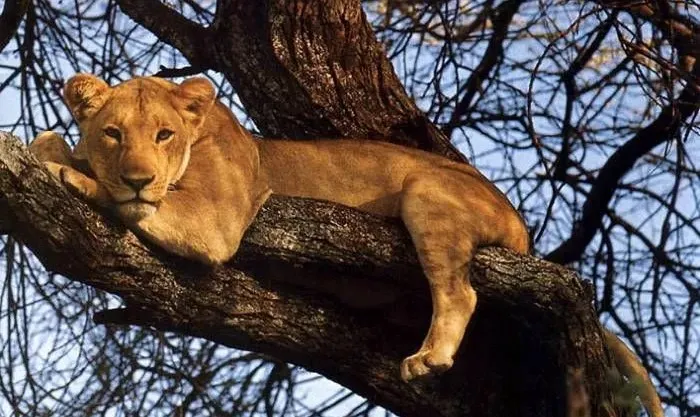
Beyond elephants, Tarangire supports an impressive predator population — lions, leopards, cheetahs, hyenas, and occasionally wild dogs hunt across the park's diverse habitats.
How Does Tarangire Compare to Serengeti and Ngorongoro?
One of the most common questions from safari travelers is how Tarangire compares to Tanzania's more famous parks. The difference between Tarangire and Serengeti is largely one of scale and seasonality. The Serengeti is vast — 14,750 square kilometers of open plains — and is defined by the Great Migration, a year-round spectacle of moving herds. Tarangire is more compact at 2,850 square kilometers, and while it does not have the Serengeti's migration, it offers far denser wildlife concentrations during the dry season when animals are drawn to the permanent water of the Tarangire River. In terms of visitor numbers, Tarangire receives a fraction of the Serengeti's crowds, making it ideal for travelers seeking an authentic, less crowded safari.
Comparing Tarangire to Ngorongoro Crater is equally instructive. Ngorongoro offers the unique experience of descending into a volcanic caldera with a contained ecosystem where the Big Five can often be spotted in a single day. Tarangire offers no such geological drama, but it provides a more expansive, natural safari experience across diverse habitats. Ngorongoro can feel busy with vehicles, especially at popular sightings; Tarangire rarely feels crowded. For those asking which is better, the honest answer is that both deserve a place on a comprehensive Northern Circuit itinerary — they complement rather than compete with each other. Our 4-day Tarangire, Ngorongoro & Ndutu safari combines both parks seamlessly, as does the 3-day Tarangire, Ngorongoro & Manyara itinerary for those with less time.
When to Visit Tarangire
While Tarangire can be visited year-round, the dry season from June through November is unquestionably the best time for wildlife viewing. During these months, the Tarangire River becomes the only permanent water source for miles around, drawing animals from across the Masai Steppe ecosystem. The resulting wildlife concentrations are extraordinary — elephant herds, buffalo, zebras, and wildebeests gather along the river in numbers that rival the Serengeti during the migration. The dry season also offers the best conditions for game drives, with thinner vegetation making wildlife easier to spot and photograph.
The green season from December through May transforms Tarangire into a lush paradise. The landscape turns vivid green, migratory birds arrive, and many animals give birth. While wildlife is more dispersed during this period, the park takes on a completely different character — quieter, greener, and exceptionally beautiful. The green season is also the best time for birding, with resident species in breeding plumage joined by Palearctic migrants. For those interested in combining Tarangire with other Northern Circuit parks, our 6-day Tanzania safari and 7-day Tanzania safari cover Tarangire, Serengeti, Ngorongoro, and Lake Manyara across multiple seasons.
During the dry season, over 3,000 elephants gather along the Tarangire River — the highest concentration in Tanzania and one of the largest in Africa.
Activities and Experiences
Game drives are the primary activity in Tarangire, with the park's network of roads offering access to diverse habitats from the riverine forest along the Tarangire River to open plains and acacia woodlands. What makes game drives in Tarangire special is the sense of discovery — unlike the Serengeti where radio communication between guides means sightings are shared, Tarangire rewards patience and the expertise of your guide. Our naturalist guides average over 10 years of experience in Tarangire and know the seasonal movements of the elephant herds intimately.
Beyond game drives, several lodges and camps in and around Tarangire offer walking safaris — an immersive bush experience that brings you closer to the landscape than any vehicle can. Accompanied by armed rangers and Maasai guides, these walks focus on tracks, birds, insects, and the smaller details of the ecosystem that are easily missed from a vehicle. Night game drives are available in the conservancies bordering the park, revealing nocturnal species including leopards, porcupines, genets, and bush babies. For those seeking a premium safari experience, our 8-day Northern Circuit safari includes walking safaris, night drives, and exclusive lodge experiences.
Where to Stay: Tarangire Accommodation
Tarangire offers a range of accommodation options from luxury lodges and tented camps to mid-range and budget options. Swala Camp, located in a remote corner of the park, offers an exclusive luxury experience with private decks overlooking a waterhole frequented by elephants. Tarangire Treetops, built on platforms among baobab branches, provides a uniquely elevated perspective on the surrounding wilderness. Chem Chem Lodge and Little Chem Chem offer ultra-luxury experiences on a private concession bordering the park, combining game drives in Tarangire with exclusive activities including walking safaris and night drives.
For mid-range travelers, Tarangire River Camp and Maramboi Tented Camp offer comfortable accommodation with excellent locations. Lake Burunge Tented Camp, set on the shores of Lake Burungi with views toward the Rift Valley escarpment and even Mount Kilimanjaro on clear days, provides exceptional value. Budget camping safaris are also available for those seeking an authentic bush experience without the luxury price tag. Whatever your preference, accommodation in Tarangire tends to be less expensive than comparable properties in the Serengeti, making the park an excellent choice for those seeking luxury at more accessible rates.
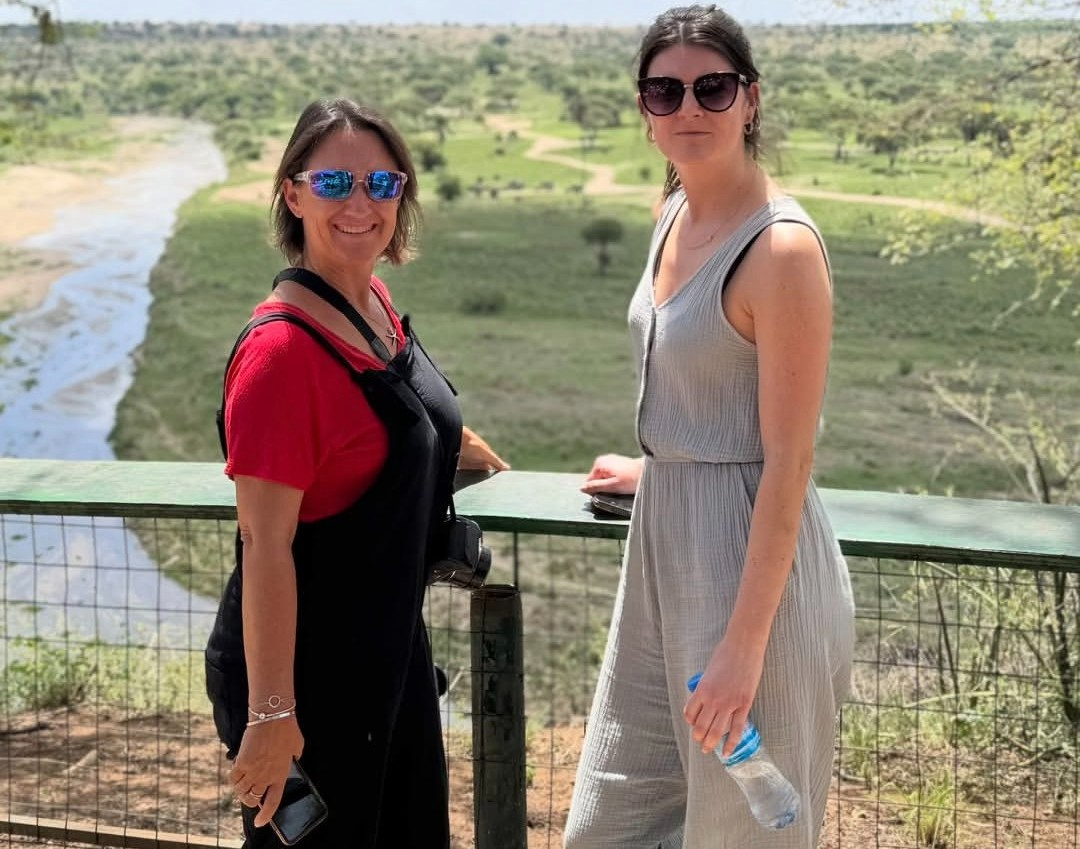
Plan your Tarangire safari with confidence. Our team will design a completely bespoke itinerary tailored to your travel dates, budget, and wildlife interests. Every safari is 100% private with expert naturalist guides. Tarangire is just a 2-hour drive from Arusha — the perfect first stop on your Northern Circuit adventure.